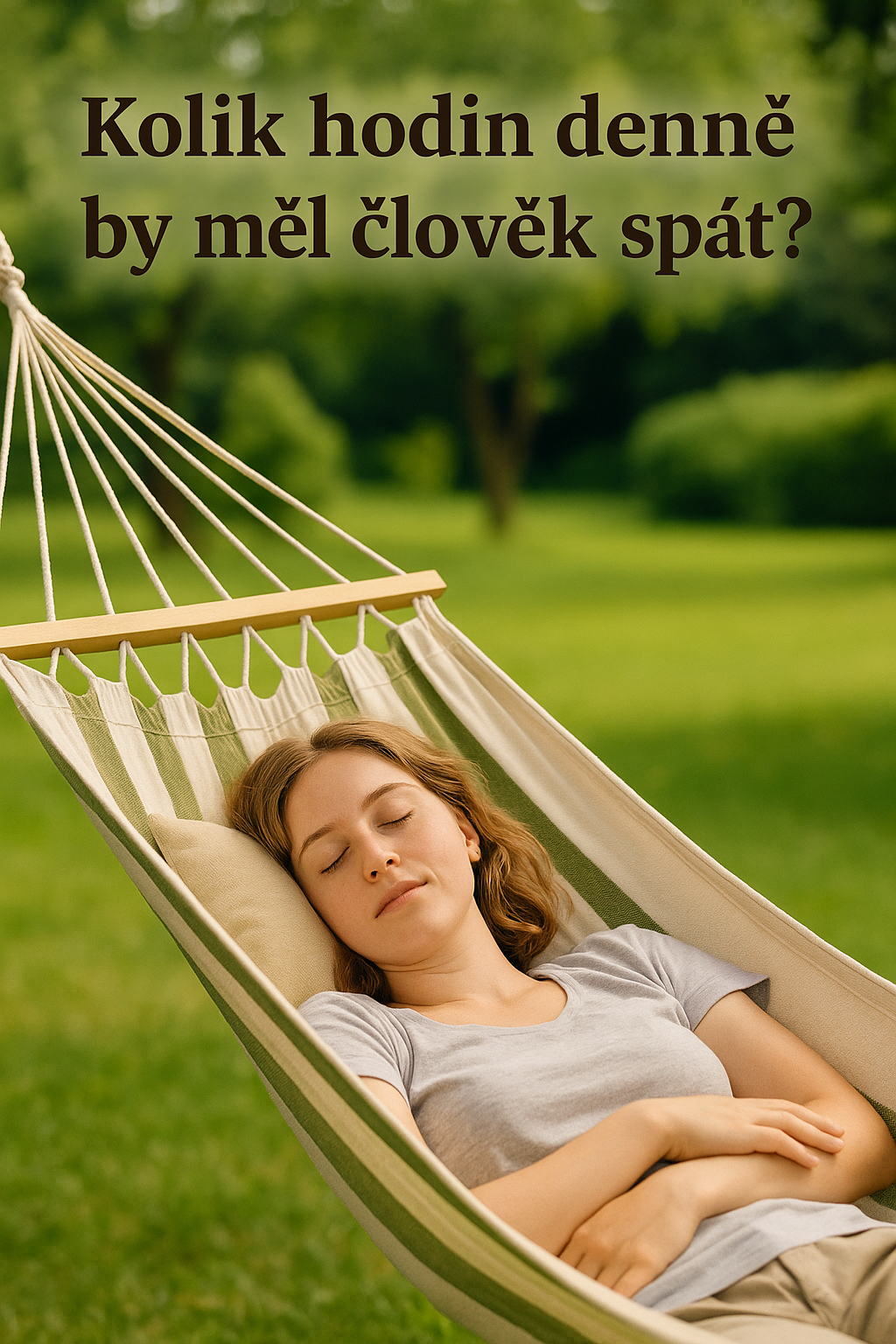
Power Nap – the smartest nap of your life
It used to be said that anyone who lays down during the day is lazy.
Today, science says: Whoever takes a nap is A genius with a biohacker brain. While “power nap” is the most common abbreviation, you may also come across terms like “nap” or “afternoon nap” or siesta, which are also commonly used for midday sleep. It usually lasts 20-30 minutes and helps improve alertness and productivity.
Quality Sleep After Fifty: Your Key to a Vital and Satisfied Life
After 50, our bodies and lifestyles change, and sleep plays an increasingly important role in our overall health and well-being. Many women at this age face new challenges – from hormonal changes to caring for aging parents or grandchildren. That’s why it’s important to give sleep the attention it deserves.
Why an afternoon rest after fifty is especially beneficial? NAP as a ritual of feminine well-being…
A short afternoon nap is not a sign of laziness – it’s a wise investment in your health and energy. Many cultures around the world have practiced this habit for centuries. In Spain, they have siestas, in China, they rest after lunch, and even our grandmothers knew that “after lunch, half an hour in bed belongs.”
- It's not laziness - it's a loving reboot for both brain and body.
- Recommended for women 40+ when the body needs more regeneration.
- And yes – even queens took a nap (including Cleopatra!). 👑
Napping isn't just for kids. On the contrary, it can be a great tool for maintaining vitality, mental sharpness, and overall well-being, especially after age 50. Let's take a look at what a regular midday nap can do for you and how to make the most of it.
Why take a daytime nap? Benefits you will appreciate:
Taking a short break during the day has a number of positive effects on your physical and mental health:
Skin regeneration: During sleep, the skin renews itself, contributing to its healthier and fresher appearance.
Increased alertness and attention: It will help you overcome afternoon fatigue and improve your concentration on tasks, whether it's work, hobbies, or just regular daily activities.
Improving mood and reducing stress: A short nap can significantly reduce irritability and improve overall mood. It is ideal for coping with daily challenges and maintaining inner peace.
Reducing cravings for sweets and promoting healthier eating habits: Feeling sleepy and tired often leads to overeating, especially sweets. Taking a daytime nap can alleviate this feeling and help you better control your food intake.
Supporting psychological well-being: Rest and regeneration during a midday nap contribute to an overall improvement in psychological well-being and a sense of calm.
Improving cognitive function and memory: It will help you improve memory, concentration, and other cognitive functions, which is key to maintaining mental sharpness.
Strengthening the immune system: Regular rest is important for maintaining a strong immune system, which is essential for overall health and resilience.
After waking up, it is recommended to stretch, drink water, and slowly engage in activities.
Examples of countries where siesta is practiced:
- Spain: The typical siesta after lunch is seen as part of cultural tradition.
- Italy: Similar to Spain, siesta is a common part of the day in Italy.
- South America: Many South American countries have a siesta tradition, especially in warmer areas.
- China: In China, siesta is also a common practice.
- India: In India, siesta is practiced depending on local customs.
A midday nap is therefore beneficial for many people and can help improve overall well-being and performance.
How to have a healthy afternoon rest

Ideal time: Preferably between 1:00 PM and 3:00 PM, no later than 3:30 PM, so as not to disrupt your evening sleep.
Length: 20-35 minutes is optimal. Sleeping longer can lead to drowsiness and trouble falling asleep in the evening.
Environment: Create a quiet space – darken the room, ensure silence. If you can’t darken the room, use a sleep mask.
Tip for waking up faster: Try drinking a cup of coffee before you take a nap. Caffeine takes about 15 minutes to kick in, so you'll wake up feeling refreshed after a short nap.
Creating the ideal environment for a quality night's sleep
Investing in the right mattress:
Back or joint pain often occurs after the age of fifty. Quality mattress, which will provide the right support is key. When choosing, consider:
- Your usual sleeping position
- Possible health problems
- Partner preferences
Bedroom arrangement according to needs:
The room temperature should be between 18-20°C. Thermoregulation often changes with age, so pay attention to what suits you.
Colors and atmosphere:
Choose soothing tones – light blues, greens or beige shades. Avoid overly stimulating colours like red or orange.
Sleep routine as the basis of healthy rest
Regularity is especially important after 50. Your body will appreciate a consistent regimen:
Evening ritual:
- End strenuous activities 1-2 hours before bedtime
- Create a calm routine – reading, gentle stretching, meditation
- Limit the use of electronic devices before bed
Morning routine:
- Try to wake up at the same time every day.
- Take a few minutes to wake up slowly.
- Start your day with something pleasant – a cup of quality tea or a short stretch.
Natural support for better sleep:
Instead of strong medications, try natural alternatives first:
- Magnesium – helps relax muscles and calm the nervous system
- L-theanine – promotes relaxation without drowsiness
- Lemon balm or chamomile – traditional herbs for restful sleep
Beware of melatonin: It is not recommended for short daytime rest, as it may disrupt nighttime sleep.
Conclusion::
Quality sleep is not a luxury, but a necessity for a healthy and happy life after 50. Investing in a proper sleep routine, a comfortable bed, and creating a peaceful environment will pay off in the form of better mood, health, and energy for everything you love.
Remember: Every woman is different, so find a routine that works for you. Your sleep is an investment in your health and well-being for many years to come. Definitely check out the article "THE CIRCADIAN CODE: The Secret of the Biological Clock" – where you can learn more about your internal clock!
How many hours a day should we really sleep?
The need for sleep is not the same for everyone. It depends on age, health and lifestyle. And although some claim that they sleep only 4 hours and are "fine", the body usually starts to remind them of this at a certain age... for example, with fatigue, irritability or impaired immunity.
Excessive sleepiness can also signal health problems – such as thyroid disorders, anemia, or poor blood circulation to the brain. So, how much sleep is just enough?
Recommended sleep duration by age:
- 🍼 Newborns (0–3 months): 15–17 hours a day (divided into multiple cycles).
- 👶 Infants (4–12 months): 12–14 hours (night sleep + 2 daytime naps).
- 🚼 Toddlers (1–3 years): 11–13 hours, usually with a midday nap.
- 🧒 Preschoolers (4–6 years old): 10–12 hours, crucial for the development of thinking and physical activity.
- 📚 Schoolchildren (6–12 years old): at least 10 hours a day.
- 😴 Teenagers (13–18 years old): ideally 9 hours. Lack of sleep can affect not only performance, but also hormonal development – in boys, it can significantly reduce sperm count!
- 🧑💼 Adults (18–64 years): normally 7–8 hours. A quality night's sleep is the absolute foundation for the regeneration of both body and mind.
- 👵 Seniors (65+): They usually sleep for 6-7 hours, but they often take short naps during the day. And that's perfectly fine - daytime sleep is not harmful and does not disrupt the nighttime rhythm.
💤 Fun fact: Although history has many extraordinary people who slept only a few hours a day (Da Vinci, Churchill, Tesla…), most of them regularly took a “power nap” during the day. And that’s exactly the trick to surviving on fewer hours – but it takes discipline.

With love, Daniela
Note for our readers: Some of the links in our articles may be affiliate links (but definitely not all of them!). That means if you buy something through them, we may receive a small commission – at no extra cost to you! 💛 These little rewards help us keep the blog running: covering hosting, tools, and most importantly – the time and love we put into creating meaningful content for you. Thank you for supporting us. Every click is a sign that what we do matters.



Ahoj, já tedy nevím. Spát přes poledne, nesnášela sem to už jako malá !
Ahoj, tak jsem to ve školce nesnášela, ale teď ho prostě miluju 👍❣
[…] „reset“ nervového systému – stres klesá, dýchání se zpomaluje, hlava se čistí.A co víc – po sauně se i spí jako miminko (jen s lepším účesem). […]