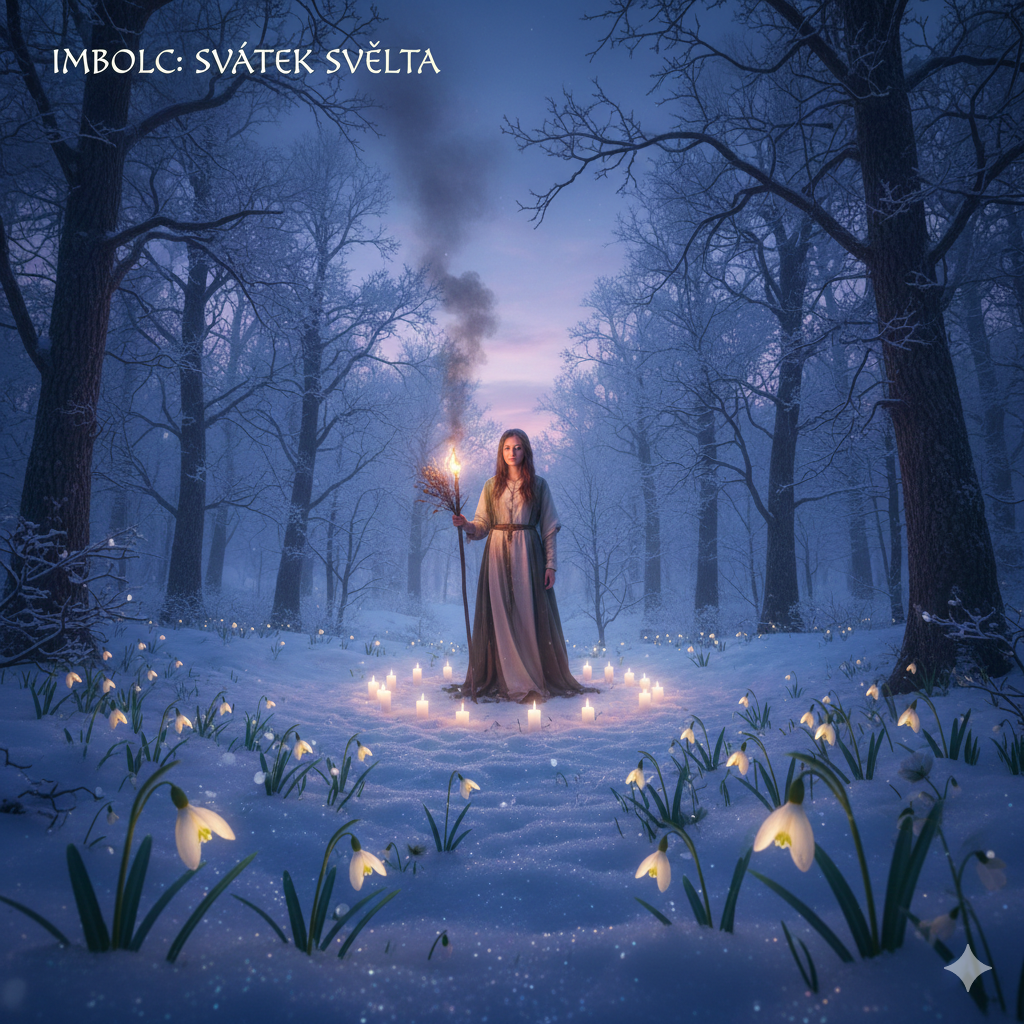
Imbolc – A festival of light, hope and new beginnings
February 1st after sunset and then all day February 2nd❣
When spring awakens under the snow
It's still cold outside. Snow may still cover the ground, the branches of the trees are bare, and yet – can you feel it? That gentle breeze, the quiet whisper of nature awakening beneath the surface. The light is slowly increasing, the days are lengthening. There is a promise. The promise of spring, of new beginnings, of the first spring flowers, the first babies, the first loves.
It's Imbolc - a celebration of the end of winter.
What is Imbolc?
Imbolc is one of the four major holidays of the year. It was celebrated on February 1st and later passed into Christian tradition under the name Groundhog Day, which is celebrated on February 2nd. They are also called the holidays of light – "One hour more on Groundhog Day."„
The main holidays of the year are associated with different female archetypes: virgin, mistress, mother, old woman.
And the holiday of Imbolc belongs to the archetype of a girl – a virgin, transitioning from childhood to womanhood..
Unfettered, independent, wild and free girls. The kind who are still alone, belong to themselves and pursue their dreams and goals without limits, without a partner or children.
In today's gloomy winter weather, it may seem to us that winter is in full force, but it is already clear that brighter days are slowly returning. The turn between winter and spring once had great significance and the holiday was celebrated under different names by different ethnic groups living in our territory. The main role in the celebrations was played mainly by fires and house cleansing, as fire was still a decisive factor in this unfavorable part of the year.
However, Imbolc primarily represented the bright hope of the approaching spring and the growing sun, whose power peaks on the day of the summer solstice.
Bridget's Cross and Celtic Tradition
On the eve of the Celtic holiday of Imbolc, an asymmetrical Brigitte cross is made. It is placed in a house after a purification ritual on the inside of the door so that the dwelling is protected from fire, lightning and storms. The cross is provided with a magical symbol - a five-pointed rod, depicting a raised hand with spread fingers.
Celtic festival of light and fire
The first of February was known throughout the Celtic world as an important holiday of the year – Imbolc, later passed into Christian tradition as Groundhog Day. Imbolc was primarily a festival of the Celtic goddess Brigid and was celebrated long before Christianity, around 400 BC.
Rural people saw February 1 as the first day of spring, and thus celebrated the end of winter, associated with the beginning of lactation of sheep, which give birth to lambs at this time. The light of the fire had a magical cleansing power for our ancestors – burned all that was old and unclean and illuminated the darkness. Even the name of the month February, Február, comes from the Latin word February, that is, purification.
Goddess Brigitte
In the Celtic world, Brigid is worshipped as the goddess of abundance, fertility, healing, inspiration, but she is also the patroness of blacksmiths, the home hearth and sheep farming. According to folk tradition, Saint Brigid visits households on this day, blesses people and livestock, which is why she is symbolically invited into the house and sometimes a bed is prepared for her with small offerings and a birch branch, which the saint is supposed to use to revive spring nature.
Her dolls are also created, made of straw and dressed in clothes. The doll was also caroled with - such processions were mainly attended by unmarried girls in white clothes. People gave them small gifts, and thus the Goddess was honored in every house. Furthermore, she was knitted Bridget's Cross made of rushes or straw, which was supposed to protect against bad weather
Rituals and customs
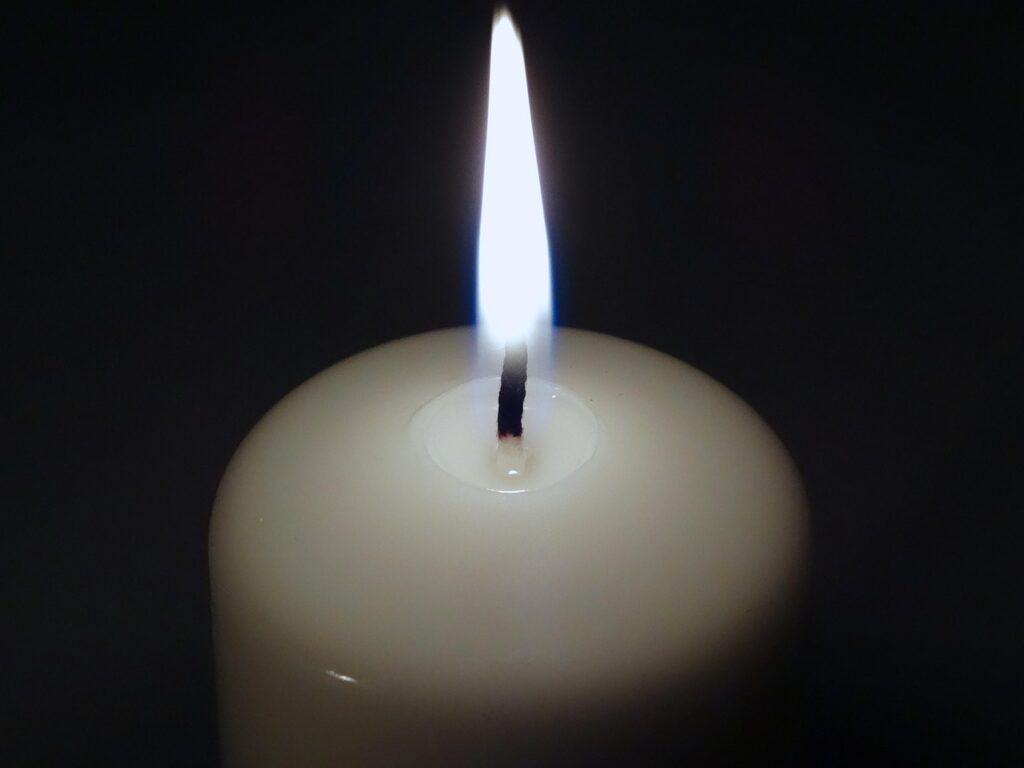
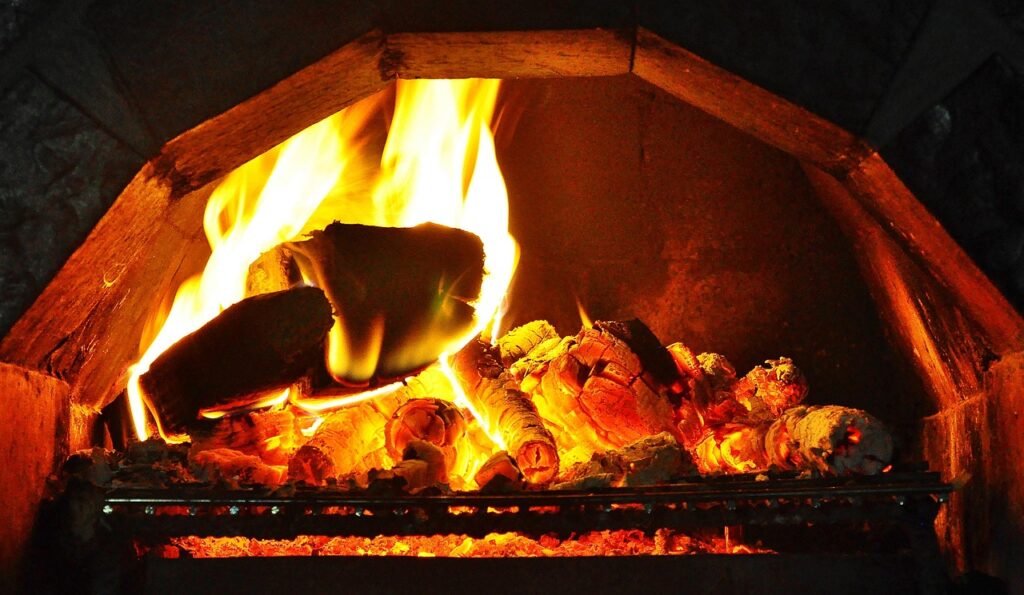
The celebration of this holiday also included lighting small fires in front of the entrance to the house. They were believed to have the symbolic power to protect the house from hail and lightning strikes. On this day, all fires in the forges were also extinguished. After cleaning the hearth, only young virgin girls, symbolizing the goddess Brigitte, were allowed to light them again. Another variation of this custom was to walk through the whole house with a lit candle.
On the eve of the Imbolc festival, a rich feast, which included pastries decorated with symbols
. One should also not forget to leave some of the food as an offering to the gods. During this holiday, it was also customary to solemnly perform the first spring plowing. The plows were decorated with colorful ribbons, poured with brandy and accompanied by young girls. Symbolic offerings to the gods – pieces of bread and cheese – were then placed in the furrows.
Other customs included cleaning homes or visiting sacred wells.
Divination and signs
This day is also significant in agriculture - people used to predict what the coming year would be like, when to start plowing, when to sow. To this day, the custom of throwing fresh juniper twigs into the fire has been preserved in many places. Burning juniper has a protective effect and cleanses the home.. The next day, the future is foretold from his ashes.
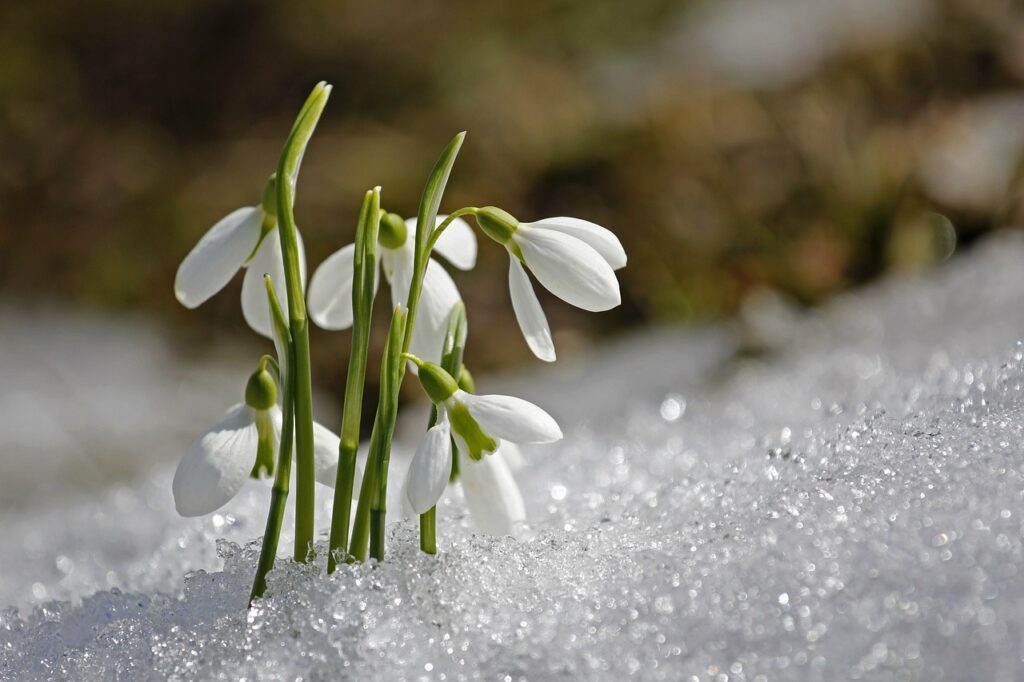
The flower of this time is, of course, snowdrop, which was always considered a sign of the return of the Goddess. In England, on this holiday, girls dressed in white walked in a procession with this flower in their hands. Other fragile but frost-resistant flowers are snowdrops, saffron and winter sorrel.
Young Goddess Archetype
Imbolc is a holiday celebrated on February 1. It is dedicated to the young Maiden Goddess, the goddess Brigit. Imbolc is celebration of hope – the promise that life will continue. Once upon a time, the survival of farming communities during this harsh winter depended solely on the milk of cows that began to give birth to calves around Imbolc. Warm white milk is therefore a symbol of Brigit and at the same time a symbol of hope.
Purification rituals
On Imbolc, rituals are traditionally performed purification rituals, such as bathing in ice water. However, we can also use less harsh methods, such as a warm herbal bath.
It is good to clean the house – do a thorough cleaning, go through old things and throw away (or donate) what we no longer use, open all the windows and doors for a moment so that everything old can „fly away“. The goal is to cleanse the space and let in the essence of the young, energetic, beautiful goddess Brighid, which awakens the earth from its long winter sleep.
On the night of January 31st to February 1st, we traditionally light white candles and walk around the house with them, "bringing light" (physically and metaphorically) into each room with prayer.
Goddess Brigid – patroness of the holiday
Brigid is the goddess of fire, the patroness of healers, the protector of the home hearth, and the patroness of warriors. She is among the most revered figures of Celtic mythology and spirituality. It is traditionally associated with fertility, creativity, healing, fire, but also with poetry.
In Celtic tradition, Brigid is a symbol of life force, renewal and inspiration.
Brigid's role in Celtic mythology
- Goddess of fire and blacksmithing – patron saint of blacksmiths and craftsmen, she represents the creative force that transforms raw material into something beautiful and useful.
- Goddess of fertility and agriculture – her energy is associated with the fertility of the soil, livestock and the arrival of spring. She was worshipped as the protector of crops and animals.
- Goddess of healing and recovery – patroness of medicinal plants, water and springs. Her healing energy is a symbol of renewal and regeneration.
- Goddess of art and poetry – her name is often associated with words and songs that bring wisdom and vision.
- Protector of home and family – guards family hearths and domestic comfort.
Attributes of the Goddess Brigid
- Flame – symbol of fire, inspiration and creativity
- Wells and water – healing, cleansing and restoration
- Brigid's Cross – made of straw or reeds, a symbol of protection, a connection between heaven and earth
- Sheep – symbol of fertility and the arrival of spring
How to celebrate Imbolc today?
Prepare your altar
For our altar we can use onyx, moonstone, carnelian, green aventurine. Seasonal elements such as flowers (e.g. tulips), a white candle, a bowl of water and Imbolc incense burner.
Crystal lattice may contain:
- Black onyx – for the protection and support of strength and endurance
- Moonstone – for protection and love, supporting lunar cycles and as an embodiment of feminine energy
- Citrine – a talisman of abundance and prosperity and a symbol of the return of the sun and light into our lives
Meditate❣
Find a quiet place where you will be alone and nothing and no one will disturb you. Light a candle and meditate. Focus on your intentions for the coming season and focus on the flames as a symbol of the light coming into your life.
Share dishes
Prepare fresh bread and milk or oatmeal or porridge. Traditional dishes include dairy products, bread, soups, or oatmeal.
Clean your home
Light it up sage, thyme, rosemary or a special Imbolc smoker. Pass the smoke through your home and cleanse it of negative energy.
Honor the Goddess Brigid
Place objects associated with creativity (pen, paintbrush, etc.) on the altar and ask for blessings. Give thanks for abundance and new beginnings.
Magical Rituals for Imbolc
Ritual for cleansing the home and soul
What you will need: sage, thyme, rosemary or lavender in the form of a smoking bundle, candles (white, yellow or green), a bowl of water.
Light a candle, light a bundle of herbs, and blow out. Walk through your home with the bundle and its smoke, cleansing it of negative energy. Use the bundle to cleanse a bowl of water and sprinkle it on your front door to welcome new, fresh energy. The purpose of the ritual is to prepare space for new beginnings.
Ritual of Blessing of Light
What you will need: a candle (white or beeswax), if you are celebrating with friends, prepare a candle for each of them.
Light a candle as a symbol of the return of light and shared hope. From this candle, light the other candles, stating your wish or intention for the new cycle. The goal is to strengthen your own intentions and support growth.
Ritual of strengthening intentions
What you will need: flower pot, soil and seeds.
As you plant the seeds, imagine your wishes and goals taking root and gradually growing. Take care of the seeds every day and remind yourself of your intentions. The goal of the ritual is to sow new goals and visualize them coming true.
Ritual of connection with the goddess Brigid
What you will need: Brigid symbols – a cross made of straw or grass, a candle, milk, bread and space for an altar.
Create a simple altar, light a candle, and say a prayer and thanksgiving. Offer offerings of milk and bread. The intention is to ask for blessings and support in creative work or healing.
Similar holidays around the world
There are similar holidays around the world that, like Imbolc, They celebrate the arrival of spring, the transition from the dark period of winter to the renewal of light and hope..
- Candlemas (Christian holiday, February 2) – symbolizes the transition from winter to spring, light as a symbol of purification and protection
- Chinese New Year (January 21 – February 20) – the end of winter, the arrival of a new lunar cycle, the calling of happiness and prosperity
- Lupercalia (Roman holiday, February 15) – purification and fertility, rituals to celebrate the arrival of spring
- Burning of Morana (Slavic traditions, March) – the end of winter, the arrival of spring, the renewal of life
- Carnival (February) – celebration of life and the end of the dark period
- Navratri (India) – nine days of celebrating goddesses, the victory of light over darkness, fertility
- Candlemas (England, February 2) – return of light and divine protection
- Groundhog Day (USA and Canada, February 2) – Groundhog Day, weather forecast and approaching spring
- Nowruz (Persian New Year, March 21) – celebration of spring, cleansing of homes, new beginnings
Whatever the name of the holidays, they are united by celebration of light, the arrival of spring and associated with it fertility, new energy, new beginnings and home cleansing. They celebrate hope and rebirth, they are a reminder that After darkness comes light..
Get rid of the old, welcome the new
Get rid of the old, cleanse your mind and the space around you, and welcome new beginnings.
Let's seek a balance between peace and activity, celebrate the cycles of nature, be inspired by its energy and harness its power.
Imbolc is a celebration of hope – the promise that life will go on. ✨
May the light shine upon you, may the warm milk of abundance bring you hope, and may the goddess Brigid bless you on your journey to new beginnings.

With love, Daniela
Note for our readers: Some of the links in our articles may be affiliate links (but definitely not all of them!). That means if you buy something through them, we may receive a small commission – at no extra cost to you! 💛 These little rewards help us keep the blog running: covering hosting, tools, and most importantly – the time and love we put into creating meaningful content for you. Thank you for supporting us. Every click is a sign that what we do matters.


You might also like
Blood Moon, Spring Cleaning, and a Little Cosmic Slap
Planetary influences in December 2025 – how to experience them?