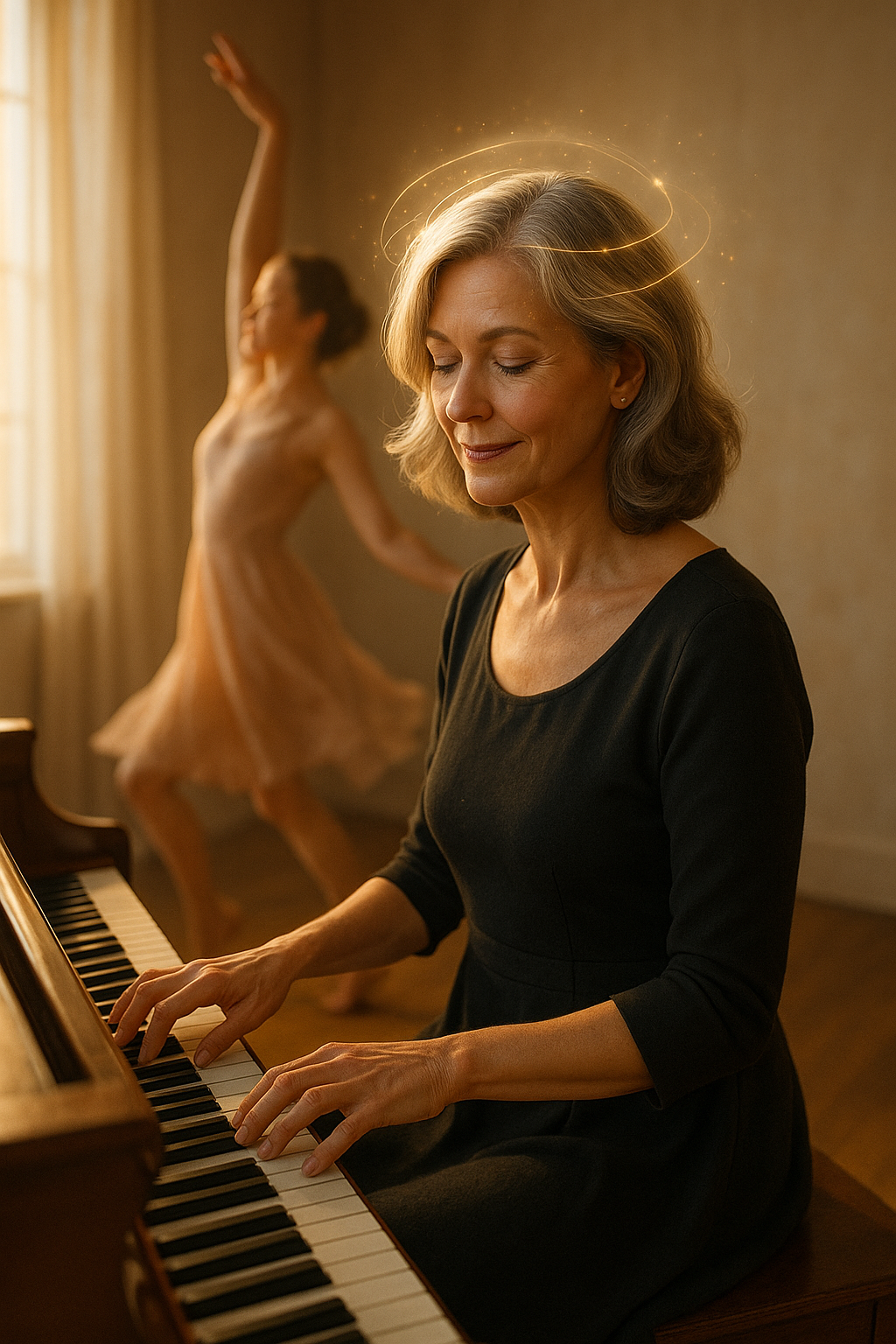
The brain after 40: Yes, it ages, but...
However, his creativity and memory can grow. Find out how to stay fit naturally.
They say that after forty, the body starts to age.
Maybe so, but the brain doesn't quite agree with that. It still wants to discover, try new things, and be surprised - it's just that most people don't let it.
We start telling ourselves that we're "too old for this" instead of admitting that we're just a little scared to be a beginner again.
It sounds scary, but don't worry. Just because our brains are shrinking doesn't mean our minds are withering away.
Quite the opposite. It turns out that the brain can be "educated" even after forty - you just need to give it a reason to light up again.
The brain ages from routine. And when we give it space to grow, it rewards us with the best – a lively, curious, and youthful mind.
What happens after forty?
Harvard scientists say that the brain loses some volume after the age of forty,
but it gains complexity.
This means that he stops "going by force" and starts thinking strategically.
While the brain of a twenty-something is like a motorbike – fast, impulsive, sometimes hitting the wall –
The brain of a 40-something switches to Tesla mode: quiet performance, greater range, and a deeper understanding of the world. ⚡
You just need to provide it with energy, nutrition, and stimulation so it doesn't get stuck in a routine.
Because the biggest threat is not old age – but stagnation.
The brain loves novelty, news, discoveries...
Every new experience is like a vacation for the brain.
When you do something for the first time, new neural pathways are activated, arise new synapses,
and literally "new life grows" in the brain.
This can be:
- to learn a new language
- try a dance you've never danced before
- Yes, playing computer games is almost the same as playing the piano!
- read poetry aloud (or write it!)
- learn to draw, play chess, or build your own website
- learning to write with all 10s – Yes! that's a challenge for me 😋 I play computer games and I can't fit a piano or a grand piano in my apartment.
The brain doesn't distinguish whether it's "useful.".
It's important to him that it's new.
Music, movement and the rhythm of life
Yes, music is a miracle – and science knows it.
MRI scans show that people who learn to play a musical instrument improve their memory, concentration, coordination, and mood. But it's not just about fingers and notes.
Music develops empathy, intuition and connects both hemispheres.
And you don't have to be a virtuoso - just dance in the kitchen, sing in the shower, or drum on a pot when no one is looking.
The brain loves rhythm – it reminds it of the heartbeat, the first sound it ever heard.

With love, Daniela
Note for our readers: Some of the links in our articles may be affiliate links (but definitely not all of them!). That means if you buy something through them, we may receive a small commission – at no extra cost to you! 💛 These little rewards help us keep the blog running: covering hosting, tools, and most importantly – the time and love we put into creating meaningful content for you. Thank you for supporting us. Every click is a sign that what we do matters.





[…] But if it were just about looks! […]