Why do Japanese women live to be 87 years old and what about us?
It's not genetics. It's not a coincidence. It's a way of life that we in the West are only just beginning to understand—and some of it we can take away right now, today, with our morning coffee.
This discovery made me a little angry – and it might make you angry too!
When you first come across these numbers, it takes a while to sink in. Japanese women live an average of 87 years. Men, 81. And on the island of Okinawa The largest percentage of people in the world live to be over a hundred years old. A hundred years, girls!!! Active, present, smiling people – not just survivors.
And yet here in Europe we have doctors on every corner, wellness apps on our phones, fitness centers in every city... and yet the years pass by us differently. The answer is so simple that it hurts a little.
It's not about genes. It's about how you live every day.
This is something scientists keep repeating over and over again – and we don't want to hear it, because it is more convenient to blame everything on heredity. But study after study shows the same thing: genetics provide the foundation, but lifestyle either develops it or slowly destroys it. The Japanese have a lifestyle that works. Not as a thirty-day fashion challenge – but as a way of being, passed down through generations, quietly and naturally. It is not enough to just eat well, it is not enough to just go for walks. It is a whole ecosystem – food, movement, community, meaning in life, inner peace. Everything together, intertwined like threads in a fabric.
Food that heals – and tastes good too
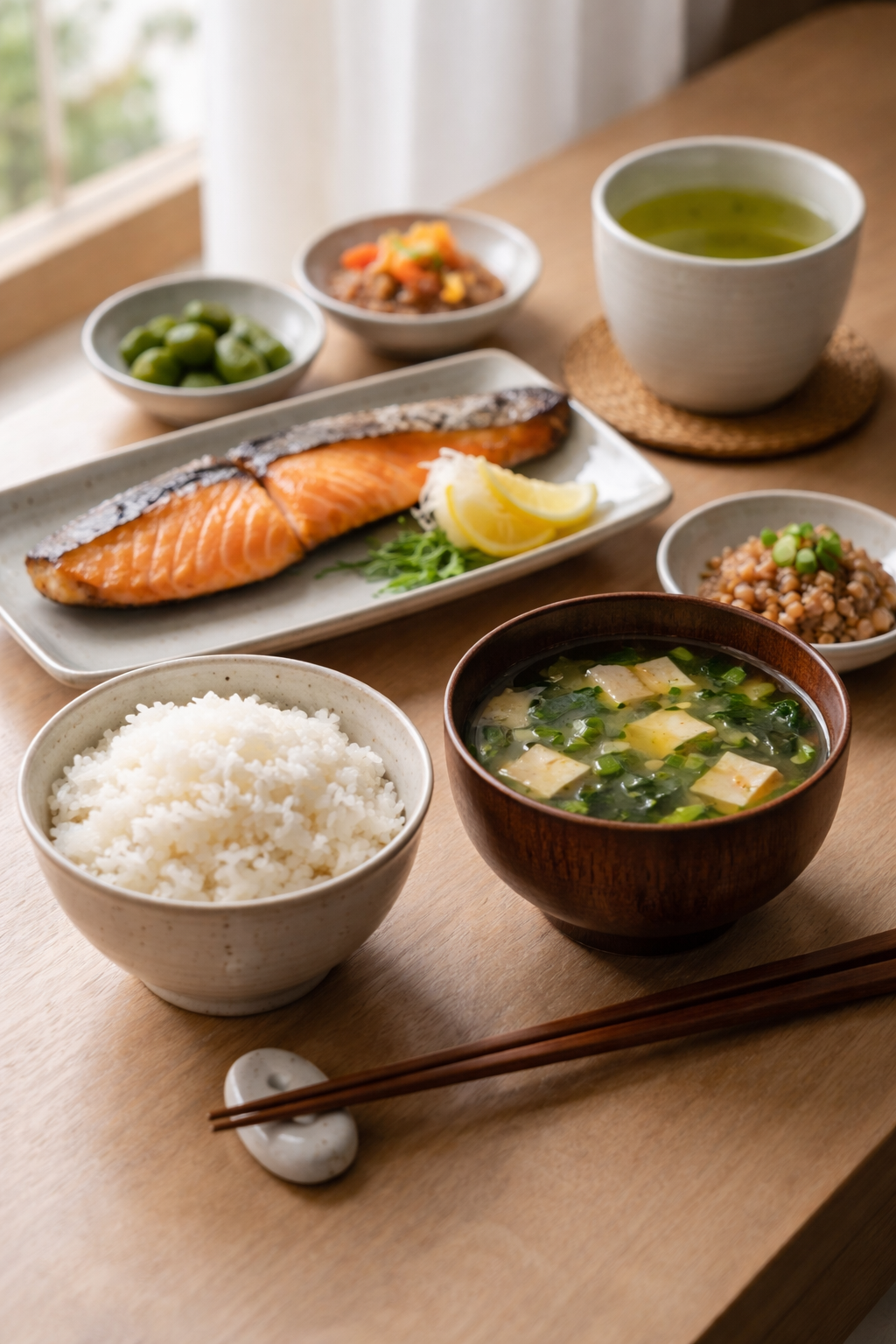
Imagine a morning bowl of miso soup – warm, fragrant, full of fermented soy, tofu, seaweed. Simple. No frills. Japanese cuisine is like that – clean, seasonal, varied and yet non-violent. The basis is fish and seafood several times a week, full of omega-3, which protect the heart and brain. And seaweed – did you know that Japan consumes around a hundred thousand tons of it annually? Fermented foods like miso, natto or tempeh take care of the intestines, our „second head“. And green tea every day – as a ritual, a moment for yourself, not just a drink.
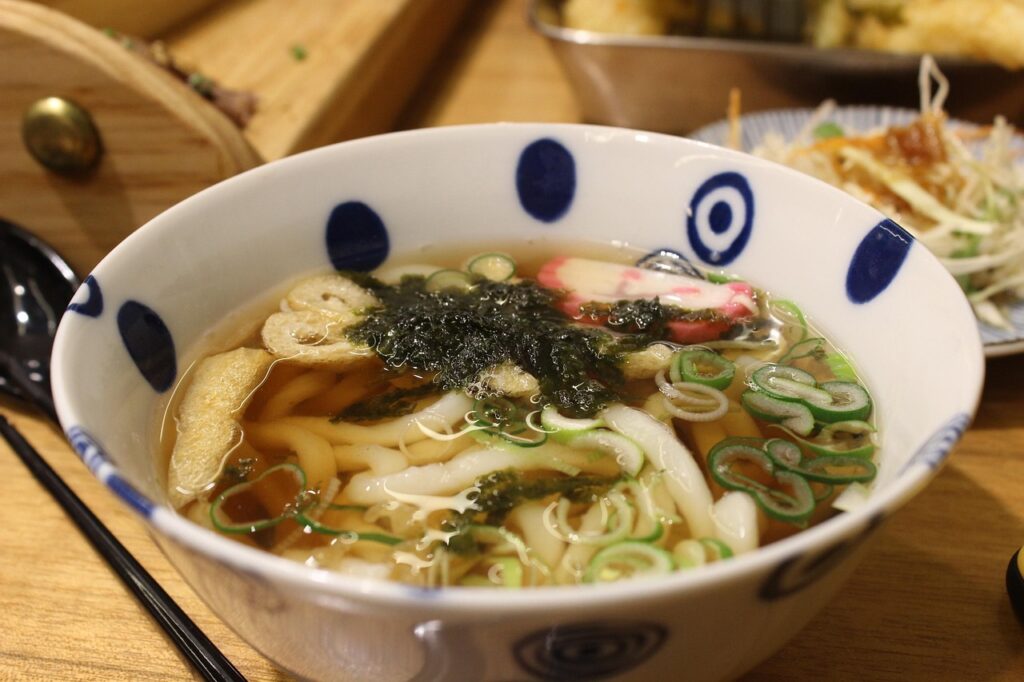
In contrast, we in the West do the same thing over and over again. We have variety, but routine gets in the way and we leave it. Do you know that too? That can be changed – slowly, without drama, but it can be done.
Hara hachi bun me – the rule that will change more than any diet
Hara hachi bun me – stop eating when you are eighty percent full. Not when you say „ugh, that was too much.“ Something like ours, eat until half full!!! A little earlier, while there is still lightness in the body. The Japanese eat from small bowls, slowly, without rushing, with attention. Food is not a time filler or a reward for a hard day – it is taking care of the body, being at the table.
And this approach has a direct impact not only on weight, but on the entire digestive system, on energy levels, on sleep quality. We women over fifty somehow sense this – our body is telling us this more and more loudly. We just have to start listening to it.
Movement that is not hard work
Japanese They don't go to the gym every day and don't lift kettlebells with a self-tortured expression. Their movement is natural, embedded in everyday life – walking to the shops, taking public transport, taking the stairs instead of the lift, gardening, an evening walk. Simple things, repeated every day, throughout their lives. According to scientists, it is this daily, non-violent activity that has a greater impact on longevity than intense, high-impact exercise. The body doesn't need performance. It needs movement – regular, kind, conscious.
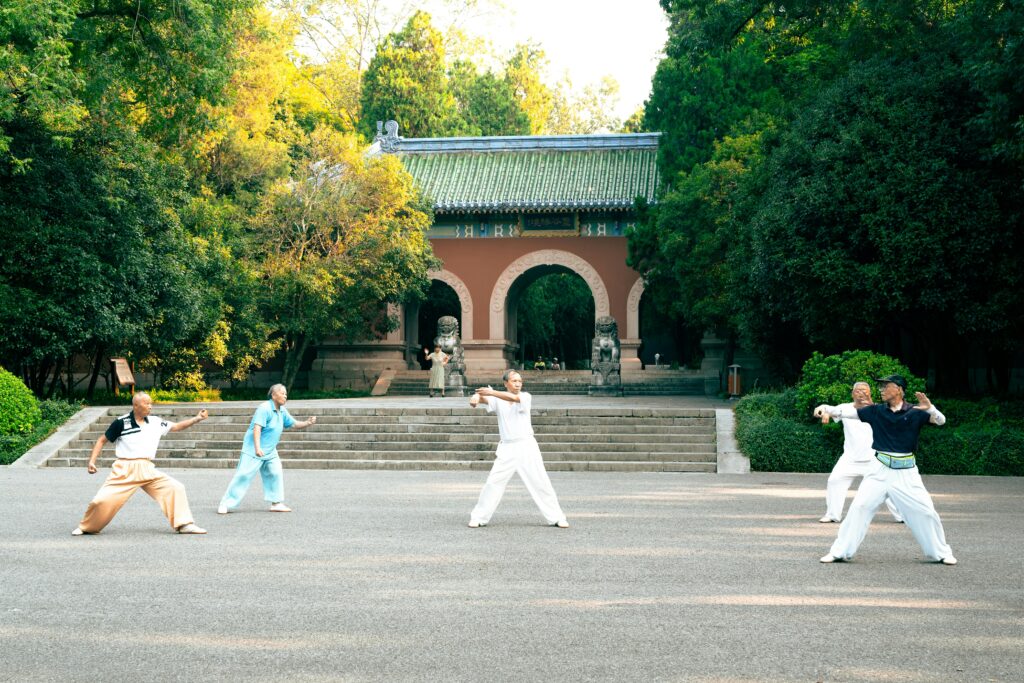
And that's exactly how we feel after we turn fifty, right? That the body doesn't want to be punished. It wants to be guided.
Community – the first thing we forget
In Okinawa they have a concept called moai – a group of people you are connected to throughout your life. Friends, neighbors, family – people who see you, ask how you are, and really wait for a response. This network of relationships is a proven factor in longevity. Loneliness, on the other hand, shortens life just like smoking – and that's not a metaphor, that's data.
We, over fifty, know this from our own experience. The children have grown up, the team has changed, someone has moved away... and suddenly we find ourselves in a silence we didn't expect. Japanese women don't experience it because they build community consciously, their whole lives. We have to find it again - and that should be an adventure, not a sadness.
Ikigai – the reason to get out of bed in the morning
And then here's the most beautiful thing. Ikigai – Japanese expression for the meaning of life (see article: Ikigai: More than just morning coffee and the meaning of life!) Not a big philosophical project. Just an answer to the question: Why do I get up in the morning? What awaits me, what makes me happy, what gives shape to my day? For some, it's grandchildren. For others, a garden that smells like the whole world in the morning. Ceramics, writing, a neighbor you take shopping to and know is waiting for you. The Japanese believe that finding this reason – and nourishing it daily – brings health, peace and joy. And scientists agree with them.
We over 50 are in a wonderful position: we know enough, we have experienced enough. And we finally have time to find our own. ikigai – without excuses, without rushing, in my own way.
What to take away from this – without major revolutions
No one is forcing you to emigrate to Japan or cook miso soup every morning. But there are a few things you can do – quietly, gradually, at your own pace. Eat a little less and a little slower. Add more vegetables and seasonal items to your plate. Get moving every day – a half-hour walk is really enough. Call that friend you haven't called in a while. And find that one thing that makes you look forward to the day in the morning.
It's not a revolution. It's gentle, conscious care - of the body, of relationships, of the soul. Exactly how we, smart women over fifty, know how to do it.
Do you know ikigai or hara hachi bun me? Have you ever tried eating more consciously or changing something small in your day? Write to me in the comments - I'd love to read your story.

With love, Daniela
Note for our readers: Some of the links in our articles may be affiliate links (but definitely not all of them!). That means if you buy something through them, we may receive a small commission – at no extra cost to you! 💛 These little rewards help us keep the blog running: covering hosting, tools, and most importantly – the time and love we put into creating meaningful content for you. Thank you for supporting us. Every click is a sign that what we do matters.


You might also like

Fasting at the New Moon vs. at the Full Moon: The Power of the Moon
Teeth after fifty: How to maintain a beautiful smile ;)