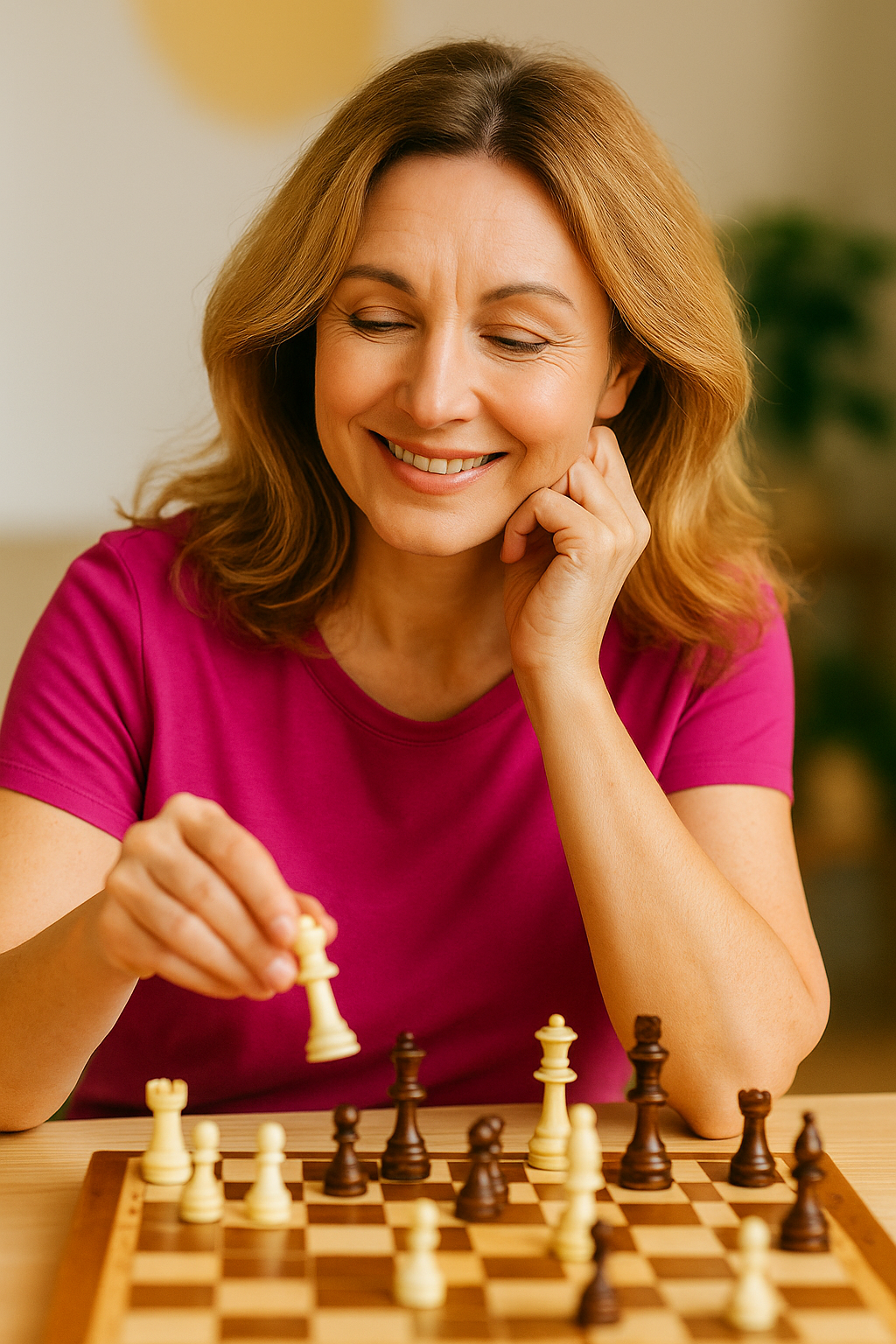
Several ways to reduce the risk of dementia – according to us
Girls, let's face it: dementia isn't just a scarecrow of old age. It's something that can affect any of us—and the good news is, we have plenty of options to reduce our risk. No dry sermons, here's my "Big Girl" take on preventing the brain fog of the future.
🧡 Why even bother with this?
Thanks to better healthcare, we live longer than our grandmothers. But the more years we have, the more chances our brains will go on strike. That doesn't mean we're helpless - quite the opposite. Even small changes in habits can work wonders in the long run.
My version of small tips
The brain wants movement just like the butt.
Regular exercise = better blood circulation = better brain. You don't have to run a marathon, just walk, dance in the kitchen or do yoga. The important thing is to do it often.
Eat to stay sharp
Mediterranean style – more vegetables, legumes, fish, less sausages and sugar. It's not a diet, it's a lifestyle.
Not smoking = more oxygen for the brain.
The sooner you quit, the more you win. Smoke damages the blood vessels in the head and heart.

Alcohol? Less is more.
Wine may be nice, but liters of alcohol are a deadly cocktail for the brain.
Use your brain.
Learn a foreign language, start painting, do crossword puzzles. Play PC games, board games, cards! The brain loves a challenge. The more synapses now, the more reserves for the future.
Be a social being
Coffee with a friend, choir singing, volunteering... social life stimulates the brain and protects against depression.
Take care of your heart
High blood pressure, cholesterol, diabetes – all of these are not just about the heart, but also about the brain. Get them checked and discuss them with your doctor.
Watch your weight.
Obesity and diabetes increase the risk of dementia. Better a few pounds down than a few neurons gone.
Hearing and sight = gateway to the world
Hearing or vision loss isolates you and puts you at risk of cognitive decline. Hearing aids and glasses are not a shame, but an investment in your brain.
Depression and stress
The brain ages faster under stress. If you feel like it's too much, talk to a professional. Meditation or breathing exercises can also help.
Protect your head.
Wearing a helmet when cycling or playing sports is not an embarrassment. Traumatic brain injury is one of the strongest risk factors.
Breathe clean air
If you can, avoid heavily polluted places, ventilate and invest in a filter - air is not only for the lungs, but also for the brain.
It's never too late to start.t
Even small changes count now. Anything that benefits the heart also benefits the brain.
🌟 What did I take away from this?
For example, I do small rituals – exercise, notes, reading, coffee with people I love. Not because I'm afraid of dementia, but because it already feels good to me. And I believe that this is the best prevention – doing things that you enjoy and that make you feel good. And I'm writing a diary!
🔑 Main message
Dementia is not a fate we have to wait for. We have many things in our hands – exercise, food, relationships, education. And these are not boring duties, but opportunities to make life more enjoyable.
So girls, get up from your screen, stretch, drink some water, call a friend, and try reading something new in the evening. Your brain will thank you for it someday. 💜
CALS – https://www.alzheimer.cz/cals is a member of Alzheimer Europe and Alzheimer's Disease International.
🧠 How to find out?
Dementia is not just one disease. It is a set of symptoms – impaired memory, thinking, orientation. The most common causes:
- Alzheimer's disease – the most common type of dementia, gradual memory loss.
- Vascular dementia – vascular damage, sudden deterioration after strokes.
- Parkinson's disease – primarily a movement disorder, but it can also progress to dementia.
- „"Senile dementia"“ – a popular name for dementia in old age.
- „"Sclerosis"“ – just a folk term for forgetfulness; medically it is something else (e.g. multiple sclerosis is a completely different disease).
💡 TIP: This topic may concern our parents and grandparents, but we shouldn't wait for symptoms.
Prevention = exercise, diet, brain in action, social life and regular check-ups. What is good for the heart is also good for the brain.

With love, Daniela
Note for our readers: Some of the links in our articles may be affiliate links (but definitely not all of them!). That means if you buy something through them, we may receive a small commission – at no extra cost to you! 💛 These little rewards help us keep the blog running: covering hosting, tools, and most importantly – the time and love we put into creating meaningful content for you. Thank you for supporting us. Every click is a sign that what we do matters.



[…] Handwriting is not just nostalgia – it is literally brain training. When you write by hand, you activate more areas of your brain than when you type on a keyboard. You think about what you want to say, sort your thoughts, and thus strengthen your memory and creativity. Every word that passes through your pen leaves a mark on your consciousness. That is why handwriting makes your head calmer and your thinking clearer. ✍️ […]
[…] Several ways to reduce the risk of dementia – according to our From With love Daniela 💜 0 comments […]
[…] a formulated thought also helps us to reveal what is ours and what someone has just imposed on us. When you say something and it sounds […]