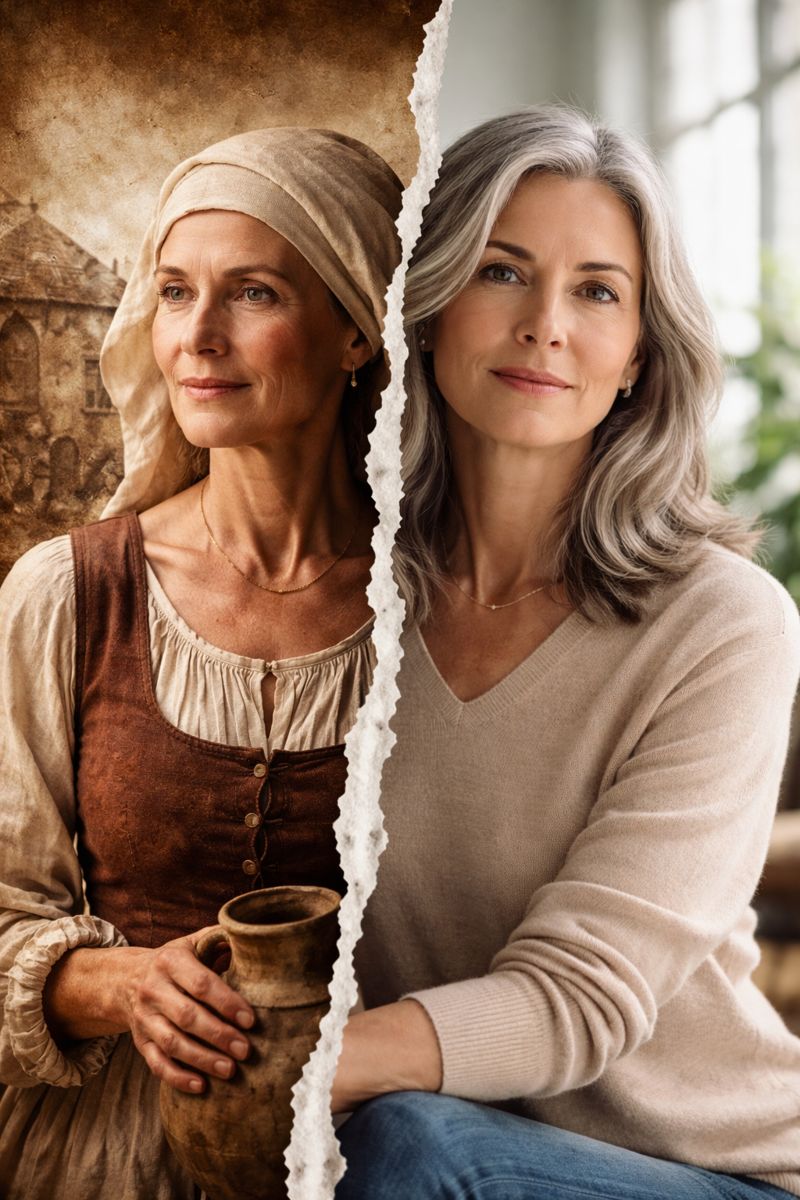
Why are women over 50 living longer than ever before, and what about us?
Maybe you sometimes feel tired, as if it came out of nowhere. Your joints creak more than before, and when you look in the mirror, you think to yourself: When did it actually happen? And then there's that quiet uncertainty - money, technology, things that change faster than you can breathe.
You are not alone❣
Thousands of women over fifty experience the exact same thing – that silent contemplation of what comes next, that fatigue that no one sees, but you feel every day.
This article will show you that your body has strength that you may not even know about. And that right now, at this age, you have the opportunity to experience one of the most powerful periods of your life.
Was Grandma right – or was she?
Maybe you've thought this before. That women used to just die after menopause. That your body starts to deteriorate after you turn 50 because nature no longer has plans for you. This claim has been around for ages and sometimes even appears in doctors' offices.
But the truth is completely different.
Yes, in the past, women often died after menopause. But not because menopause was the end of life. The reason was completely different – and that reason no longer applies today.
What was killing women after menopause?
Our great-grandmothers lived in chronic malnutrition stress. They had little protein, so their muscles were breaking down. Little minerals, so their bones were decalcifying. No supplements – no vitamin D, no iron, no magnesium. And on top of that, working from morning till night, heavy manual labor, no rest.
During childbearing years, the body somehow pulled through with the power of estrogen. But when estrogen dropped? Bones, muscles, heart – everything went to hell.
Today we have protein. We have minerals. We have light, medicine, and the ability to sleep. That's a huge difference. Our great-grandmothers had none of that—and without muscle, you die quickly.
And then there was the second thing: they didn't have a regeneration period. Previously, a woman gave birth from fifteen to forty years old, most of the time she was pregnant or breastfeeding. This exhausts the body extremely. After menopause, there was no more strength to regenerate. That's why it seemed like menopause meant the end. In fact, the end was caused by the absence of muscles and nutrients.
The Middle Ages weren't as scary as you think
The average life expectancy in the Middle Ages was thirty-five to forty-five years. But not because everyone died young. The high mortality rate was caused by the fact that children died often, women died in childbirth, injuries were not treated, and infections killed.
When did someone survive childhood and childbirth? They lived to be sixty to eighty years old. Just like today. That's archaeological data from bones. So our idea of short lives in the past is a little distorted.
So what's new for women over 50 today?
This: women today have muscle, nutrition, and minerals after menopause. This has never been possible in history.
And that's exactly the key phrase you should remember:
The lifespan of postmenopausal women is determined by muscle strength.
And guess who has muscle memory and a slow-aging androgen phenotype? You. That's why you'll not only survive menopause, but you'll push it into the second peak of your life.
Why do women now live so long after menopause?
Because we have protein. We have vitamin D. We have less physical labor than our great-grandmothers. We have the opportunity to sleep. We can treat infections. And most importantly – we strengthen. Not always consciously, but through life.
And it is precisely this muscle strength that is the most important factor in longevity. This is not a theory. This is the consensus of research from Harvard, Okinawa, Stanford: more muscle = longer life, better brain, slower aging, stronger immunity.
What does estrogen do – and what happens when it drops?
Estrogen protects women. That's true. It keeps bones strong, maintains muscle mass, stabilizes heart vessels, protects the brain, improves insulin sensitivity.
When estrogen drops, the body goes into catabolism – the breakdown of tissue. This is why women often age quickly after a sudden drop in estrogen, losing muscle, gaining belly fat, slowing their metabolism, and losing energy.
And most importantly: when the hormone estrogen drops, the body takes over with androgens – testosterone and DHEA. And these decide whether a woman lives or decays after menopause.
Women live longer than men – and here's why!
Women currently live to an average of eighty years, while men die five years earlier. According to scientists, men are at a biological and sociological disadvantage from the moment they are born. Male fetuses develop more slowly in the womb.
Women have a natural advantage!
And when you take care of yourself – when you get enough protein, minerals, exercise, and sleep – you can make the most of this benefit.
What do famous women say about menopause?
Courteney Cox
The Friends actress recently posted a video in which she jokingly said that menopause will „eat you alive.“ She mentioned dry skin and bald spots on her head. It was meant as an exaggeration, but it didn’t reassure the women who saw her video.
Gwyneth Paltrow
The American actress, who recently turned 50 and looks fantastic even without makeup, has spoken openly about going through perimenopause, which she says is marked by mood swings and her heart racing when she lies down in bed. But she also believes that menopause should be viewed in a more positive light in society.
Nela Boudova
The likeable Czech actress has already gone through the transition and believes that this issue should be talked about more in society. It does not have to be the rule that a woman gets fat and loses her passion. The menopause was a more challenging period for her due to hormonal changes, but she is happy that she managed it quite well.
Salma Hayek
The beautiful Mexican actress looks great even without makeup. She believes that age is just a number and that women are not just meant to have children. She started noticing the symptoms of menopause around the age of 45. She advises women to take a breath and realize that it is just a period that will end one day.
Naomi Watts
She went through premature menopause at 36. She says it taught her to be less hard on herself and to start an open discussion about women's health. She founded the brand Stripes for women in this phase
Michelle Obama
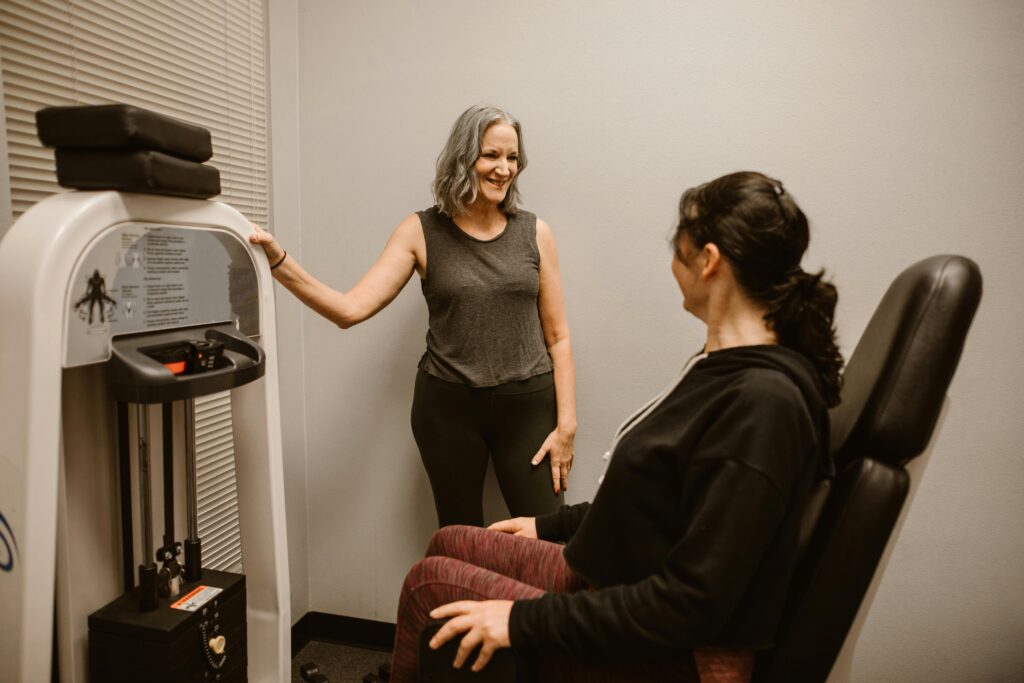
She spoke openly about hot flashes even in the White House. She changed her approach to exercise – less cardio, more strength training to protect bones and muscles.
Halle Berry
She recently stated, "I own my sexuality as a menopausal woman." She rejects the stereotype that life ends after fifty and is fighting for education in the Senate.
Drew Barrymore
She takes it in stride. She discussed her hot flashes live on her show and says it taught her to live more in the here and now.
Intimate life after menopause – myth vs. reality
After menopause, a woman practically stops having sex. This opinion was a cliché a few decades ago. But it was almost never true.
In women's intimate lives, the fact that men die earlier on average, so there are logically fewer of them left, plays a role. In addition, they are plagued by a growing number of diseases, including sexual disorders.
The main changes that menopause brings are hormonal. The ovaries stop working, and the body loses its main source of estrogen. At the same time, testosterone levels decrease, which affects the desire for intimacy.
Obesity appears to be the main metabolic problem in aging people
Women in menopause usually gain a few kilograms. Two or three kilograms usually do not play any significant role. However, if they gain ten kilograms or more, it can easily affect their intimate activity. Other factors that play a role are that obese women often find themselves sexually unattractive.
Being as physically active as possible and staying in shape is good not only for your health, but also for your intimate life.
How to handle menopause with grace
During menopause, women often suffer from mood swings or depressive states of various origins. Therefore, anything that helps them overcome these states is of great importance. For some of them, this may be psychotherapy or medications aimed at supporting the psyche.
For others, it helps that they purposefully keep themselves in good shape and are able to effectively face the problems that old age brings thanks to their vitality and optimism.
Conclusion: Your second peak begins now
Menopause is not the end. It's the beginning of a new chapter. A chapter where you have more wisdom, more peace, and – if you take care of yourself – more strength than ever before.
Your body has muscle memory. It has androgens to keep you alive and energized. You have options that your great-grandmother didn't have - protein, minerals, light, sleep, exercise.
So no, menopause won't kill you. Quite the opposite. It can be your second peak. You just have to know how to do it.
And now you know.
Yes – in the past, women often died after menopause.
But not because they have lost the ability to give birth.
The reason was completely different:
1) They lived in chronic malnutrition stress.
- low protein → weak muscles
- low minerals → bone decalcification
- no supplements → deficiency of vitamin D, iron, magnesium
- work from morning to night
- hard manual labor
The body was pulling it with the power of estrogens (childbearing age), but when estrogen fell → bone, muscle, heart = in the woods.
Today: we have protein, minerals, light, medicines.
Sooner: they had nothing → muscles broke down → the end.
2) They had no regeneration period.
Formerly a woman:
- gave birth from 15 to 40
- most of the time was pregnant or breastfeeding
- it exhausts the body extremely
→ after menopause there was no longer any strength to restore
→ and without muscles you are dying quickly.
Therefore looked, that menopause = the end.
Actually the end was caused by the absence of muscles + nutrients.
3) Mortality was high overall
Middle Ages = average life expectancy 35–45 years, not because everyone died "young"„
but because:
- children died often
- women died in childbirth
- injuries were not treated
- infections were killing
When someone survived childhood and childbirth?
→ lived to see 65–80 years.
Yes. Just like today.
This is archaeological data from bones.
So what's "new" today?
This:
Today's women have MUSCLES + NUTRITION + MINERALS after menopause.
This has never been possible in history.
And that is exactly the sentence:
Why do women now live so long after menopause?
Because:
- we have protein
- we have vitamin D
- we have less physical exertion
- we have the opportunity sleep
- we can treat infections
- and most importantly → we strengthen (not consciously, but through life)
And that one muscle strength, that you are talking about,
is The MOST important factor in longevity.
That's not a theory.
This is the consensus of longevity research from Harvard, Okinawa, Stanford:
More muscle = longer life.
Better brain.
Slower aging.
Stronger immunity.**
Yes: Estrogen protects women.
Estrogen:
- holds strong bones
- maintains muscle mass
- stabilizes heart vessels
- protects brain
- improves insulin sensitivity
When the hormone estrogen drops, the body takes over with ANDROGENS (testosterone + DHEA)
→ and These decide whether a woman lives or decays AFTER menopause.
Dear girls, the power is within us! ✨
What gives us the real energy for life? It is our determination to take care of ourselves, maintain our vitality, and face the challenges of aging with a smile and optimism. And believe me, it works!
I can personally recommend you Feminine or Sarapis PLUS – but remember that each of us is unique. What works for me may not be ideal for you, and vice versa. The key is to experiment and listen to your body.
My experience with Feminus? Huge increase in energy and – honestly – libido like never before! 😊 I felt fantastic… until the side effects of acne (too much testosterone) came, like I was back in puberty. That’s why I’m going back to Sarapis and I firmly believe that it will work just as great for me as it did years ago!
My advice? Don't be afraid to experiment with natural remedies, listen to your body and find what's right for you! 💕

With love, Daniela
Note for our readers: Some of the links in our articles may be affiliate links (but definitely not all of them!). That means if you buy something through them, we may receive a small commission – at no extra cost to you! 💛 These little rewards help us keep the blog running: covering hosting, tools, and most importantly – the time and love we put into creating meaningful content for you. Thank you for supporting us. Every click is a sign that what we do matters.


[…] Goddess of healing and recovery – patroness of medicinal plants, water and springs. Her healing energy is a symbol of renewal and regeneration. […]