Ikigai: More than just morning coffee and the meaning of life!
Ikigai: The Japanese Way to Find the Meaning of Life by Ken Mogi. Get ready for some Japanese wisdom with a smile!
What? Ikigai?
Imagine waking up in Japan, the sun shining on your face, and instead of thinking about what you have to do today, you just calmly say to yourself: “Ah, today is the day for my ikigai!” No, this is not a new brand of sake, although it may have pleasant feelings associated with it. Ikigai is your reason for being, your morning, your fuel for life. And Ken Mogi, a smiling Japanese neuroscientist, will show you that it's not science (although as a scientist he would probably see it scientifically).
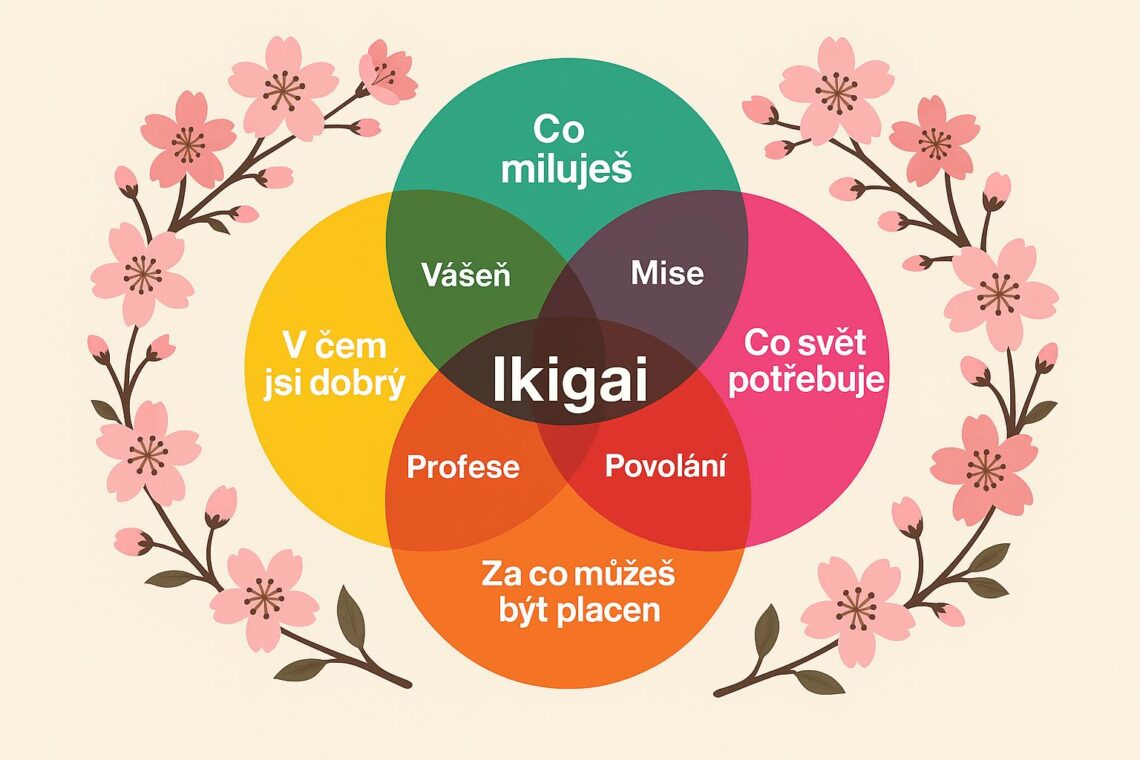
In this book, Mogi tells us that you don't need to take any expensive courses or travel to distant mountain peaks to discover your ikigai. Ikigai is hidden in everyday little things and in the approach to life. It's not just about "what you love, what you're good at, what you're paid for, and what the world needs" (that's more of a Western, oversimplified version that dilutes ikigai a bit). Mogi shows us that ikigai is much more complex and, most importantly, more accessible.
The Five Pillars of Ikigai: Don't worry, no yoga practice at five in the morning!
Ken Mogi presents us with the five pillars that form the basis of ikigai. And don't worry, these are not torturous methods for early birds:
Start small:

Forget about grand plans to save the world as soon as you wake up. Start with something that brings you joy right now. Like perfectly cooked rice, neatly folded laundry, or just that first sip of coffee. Find joy in routine, in small acts. It's like collecting little Pokémon - every little bit counts!
Free yourself:

Let yourself be carried away and do things for joy, not for money or praise. If you're doing something just to make a fortune, it's not ikigai, it's just work. Do what you enjoy, regardless of the outcome. Imagine drawing pictures, even if you're a terrible amateur. The joy of the process is important.
Harmony and sustainability:
Life is not a sprint, but a marathon (and sometimes an obstacle course, right?). It's important to find a rhythm and not burn out right at the beginning. Japanese gardens are a great example of this – everything is in balance, no one is in a hurry.
Joy in small things:
This overlaps a bit with the first point, but Mogi places a lot of emphasis on it. Enjoy the details, smells, tastes, sounds. Try to find something every day that puts a smile on your face. Like when your ice cream doesn't drip on your shirt. A small victory!

To be present:
Stop living in the past or stressing about the future. Focus on what is happening NOW. It's like eating sushi – you don't get stuck in your head about what you did yesterday, but you savor every bite.
And why is it so educational (and funny, right)?
Book Ikigai is not a dry academic study. It is full of examples from Japan, from masters of traditional crafts to ordinary people who live long and happy lives. Ken Mogi shows us that The meaning of life is not something we find at the end of the journey, but rather it is part of the journey itself.
And why funny? Because life with ikigai is simply more joyful. No chasing after unattainable goals, no constant comparing yourself to others. Just you, your little joys, and the feeling that you're on the right path. So if you wake up in the morning feeling like you've forgotten something, don't despair. Maybe you just need a little more ikigai!
So, ready to find your own ikigai, or at least wake up with a smile in the morning?

With love, Daniela
Note for our readers: Some of the links in our articles may be affiliate links (but definitely not all of them!). That means if you buy something through them, we may receive a small commission – at no extra cost to you! 💛 These little rewards help us keep the blog running: covering hosting, tools, and most importantly – the time and love we put into creating meaningful content for you. Thank you for supporting us. Every click is a sign that what we do matters.





[…] Find your purpose in life and do things that fulfill you. Find your Ikigai! […]
[…] How to see it in practice: What reward does the habit give you? Go back to the example – when you eat a sweet, what do you feel? Relief from stress? A break from routine? A feeling of joy? That is exactly the reward your brain is waiting for. […]